
Improving social skills can be life-changing for NDIS participants. With thoughtful social skills activities, individuals learn to express themselves, connect with others, and feel more confident in their communities. Here are expert-backed ideas to support growth, independence, and belonging.
Why Social Skills Matter
Strong social skills help individuals to:
- Communicate clearly through words, expressions, and gestures
- Listen actively and respond appropriately
- Show empathy and understand others’ emotions
- Interpret social cues in different situations. Activities to Improve Social Skills in NDIS Participants
Without structured opportunities, many participants miss out on these vital skills. That’s why social skills activities are essential—and why they’re supported through NDIS.
1. Group Workshops and Creative Classes
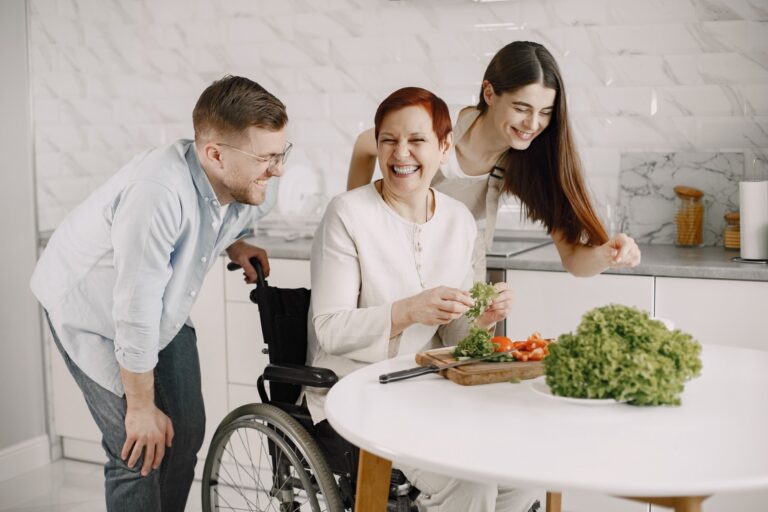
Creative sessions like arts, music, drama, or cooking classes are excellent for developing social skills:
- Art & Craft encourage sharing ideas and collaboration
- Music & Drama build communication, confidence, and role-play abilities
- Cooking teaches teamwork in relaxed, meaningful settings. Activities to Improve Social Skills in NDIS Participants
These group-based social skills activities give NDIS participants a safe space to practice social interactions.
2. Sports and Physical Engagement
Physical activities naturally boost social skills and well-being:
- Team Sports (e.g., soccer, basketball) foster cooperation, taking turns, and communication
- Group Dance or Yoga enhances non-verbal interaction and teamwork
- Hydrotherapy or Gym-Based Exercises promote emotional regulation in social areas. Getting ready for social and community participation
Participating in physical activities helps individuals learn rules of engagement while building confidence.
3. Community Participation and Volunteering
Getting involved in real-world environments helps participants practice social skills in familiar situations:
- Volunteering builds purpose, communication, and accountability
- Cultural Excursions expose participants to varied social norms and public interactions
- Hobby Groups or Clubs foster sustained relationships and shared interests. Curate Care
These social skills activities support meaningful inclusion and confidence in everyday life.
4. Personalised Coaching and Peer Mentoring
While group activities help, tailored support is key for personal development:
- One-on-One Coaching focuses on specific goals like eye contact or conversation initiation
- Behavioural Therapy assists with managing anxiety and understanding social cues
- Peer Mentoring connects participants with relatable guides for practice and confidence. MyCare Community Support Services
Combining personalised guidance with group support delivers the most meaningful growth.
5. Planning and Setting Goals
For best outcomes, activities should be planned and purpose-driven:
- Set specific targets—like “join a group chat” or “lead a team task.”
- Work with support coordinators to find activities that match those targets.
- Use NDIS funding—like Improved Relationships and Community Participation—wisely
When structured properly, social skills activities deliver measurable progress in independence and well-being.
6. Key Benefits of Social Skills Activities
Participants engaging in these exercises often experience:
- Increased self-confidence and reduced isolation
- Stronger communication and relationship-building abilities
- Emotional resilience and greater community engagement. NDSP Plan Managers
That’s why NDIS funding supports these activities—they’re essential for personal growth.
7. How Moonlight Care Delivers Social Skills Success
At Moonlight Care, we offer a holistic suite of social skills activities tailored to your needs:
- Group workshops—covering cooking, art, music, drama, and fitness
- Community outings to markets, libraries, or local events
- Personal coaching and peer mentoring designed for your goals
- Support planning that helps you access NDIS funding effectively
Each person’s journey is unique. We partner with you to build confidence, independence, and fulfilling connections—on your terms.
How to Get Started
Ready to learn and grow through social engagement?
- Identify your social goals—like better communication or making friends.
- Talk with your support coordinator or plan manager about suitable social skills activities.
- Reach out to Moonlight Care to explore tailored options and programs built just for you.
📞 Contact us today at moonlightcare.com.au to start your journey toward stronger connections, improved confidence, and a richer everyday life.